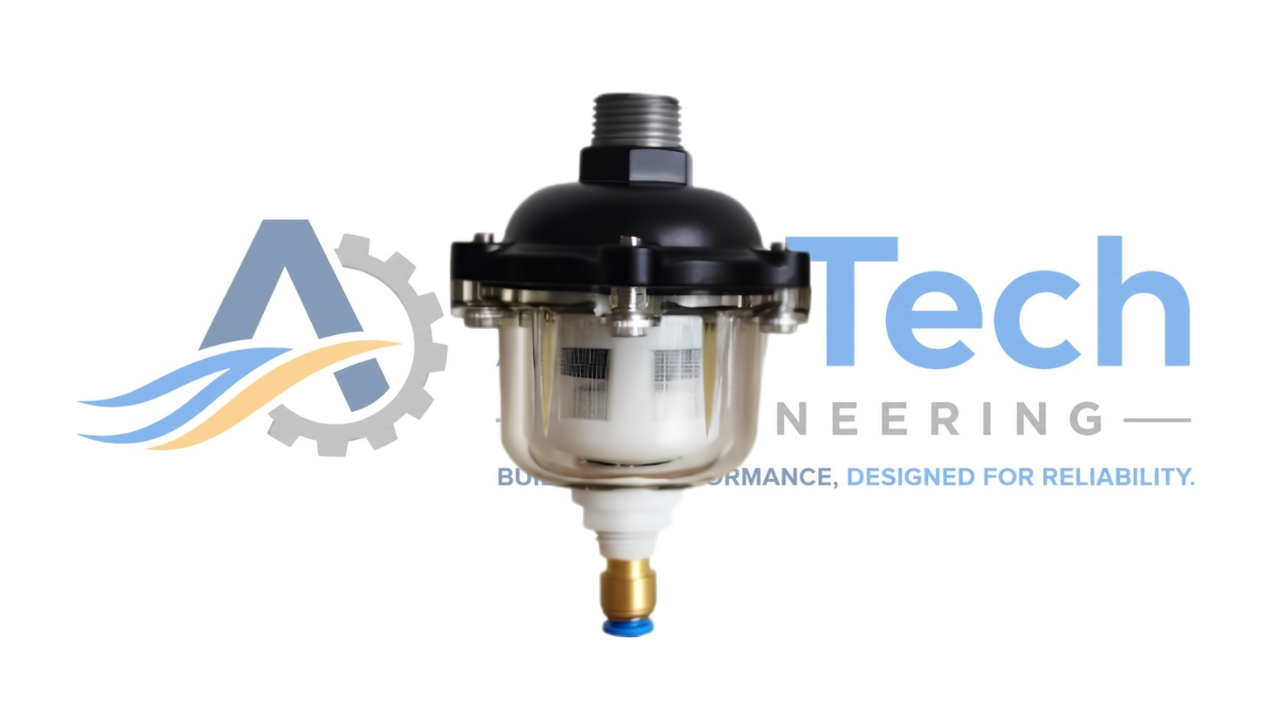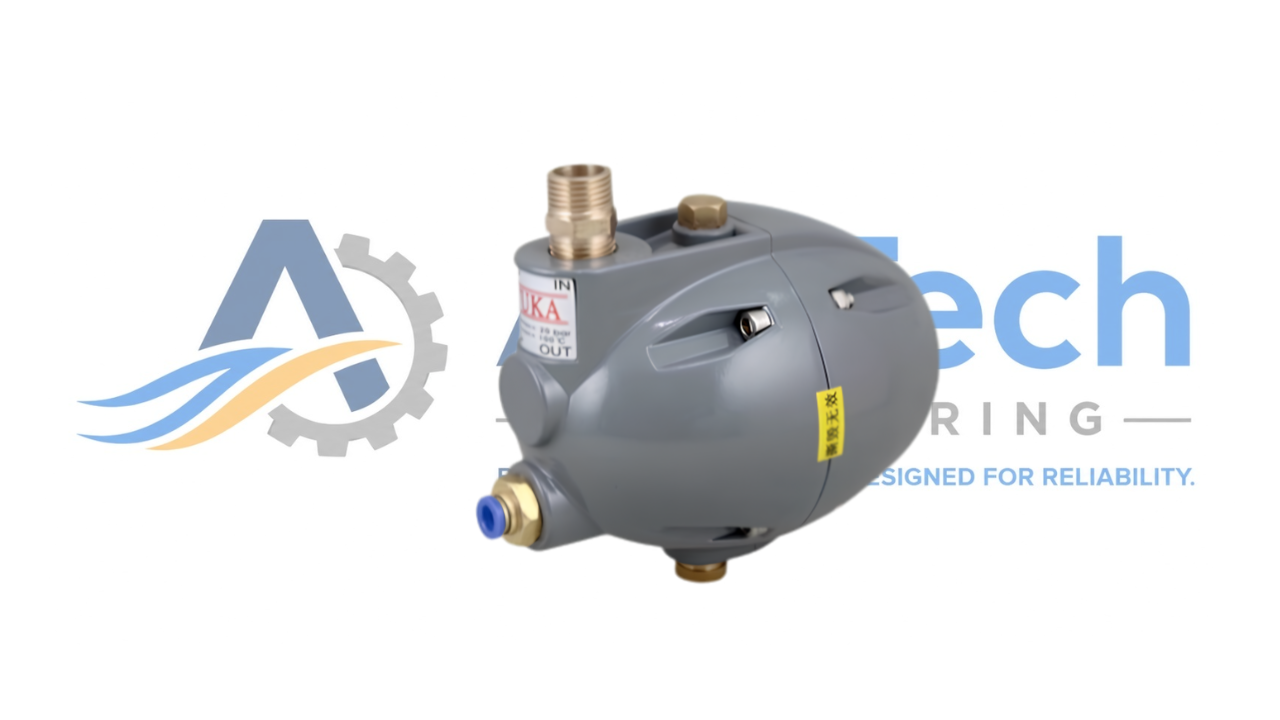
HAD30B
A robust electronic auto drain valve built for higher condensate volumes — ideal for large air receivers, refrigerated dryers and main header drain points. Adjustable cycle and discharge timing with a manual test button.
Enquire for HAD30B
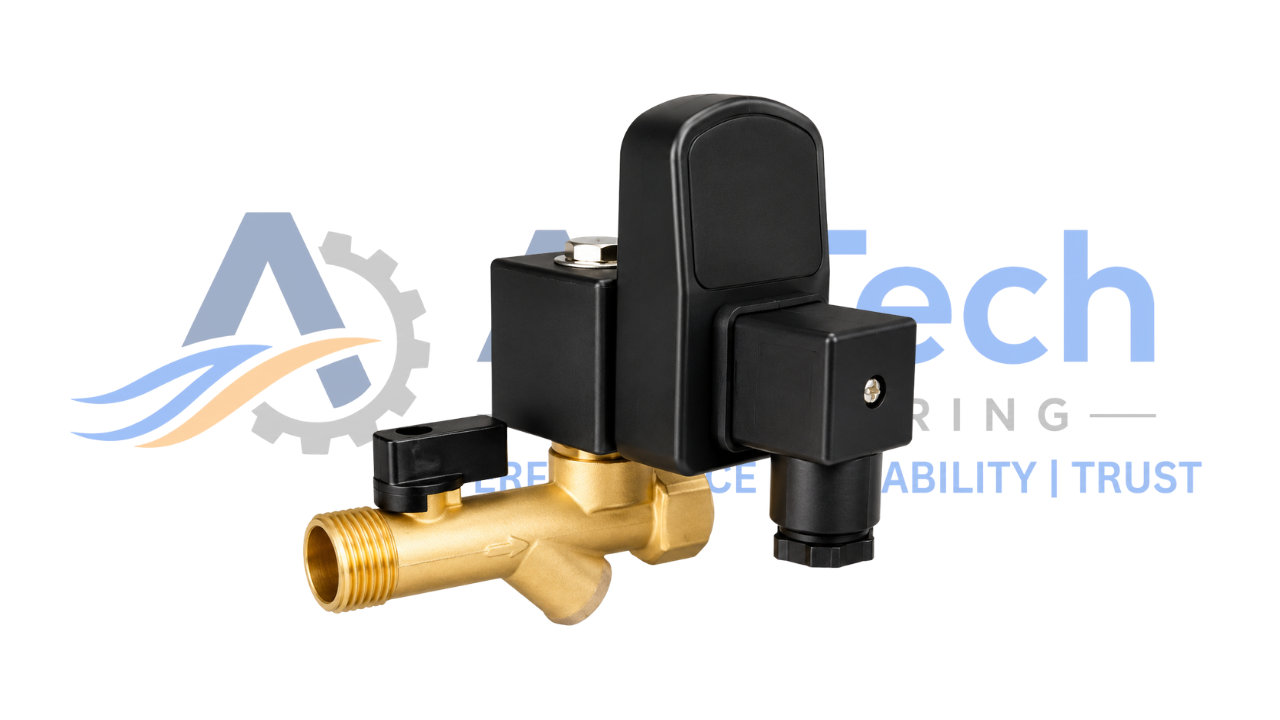
Condensate collects in every compressed-air system — and manual draining is unreliable. Auto drain valves discharge water automatically from receivers, filters and dryers without losing precious compressed air.
We offer timer-based and zero-air-loss electronic drains suited to your system size, with quick installation on existing setups.
Every condensate point in your compressed-air system is different — receiver tanks, filter bowls, dryers and aftercoolers each generate different volumes of condensate at different rates. AirTech Engineering supplies all five categories of auto drain valve so you can match the right technology to each point and eliminate both wasted air and missed drains.
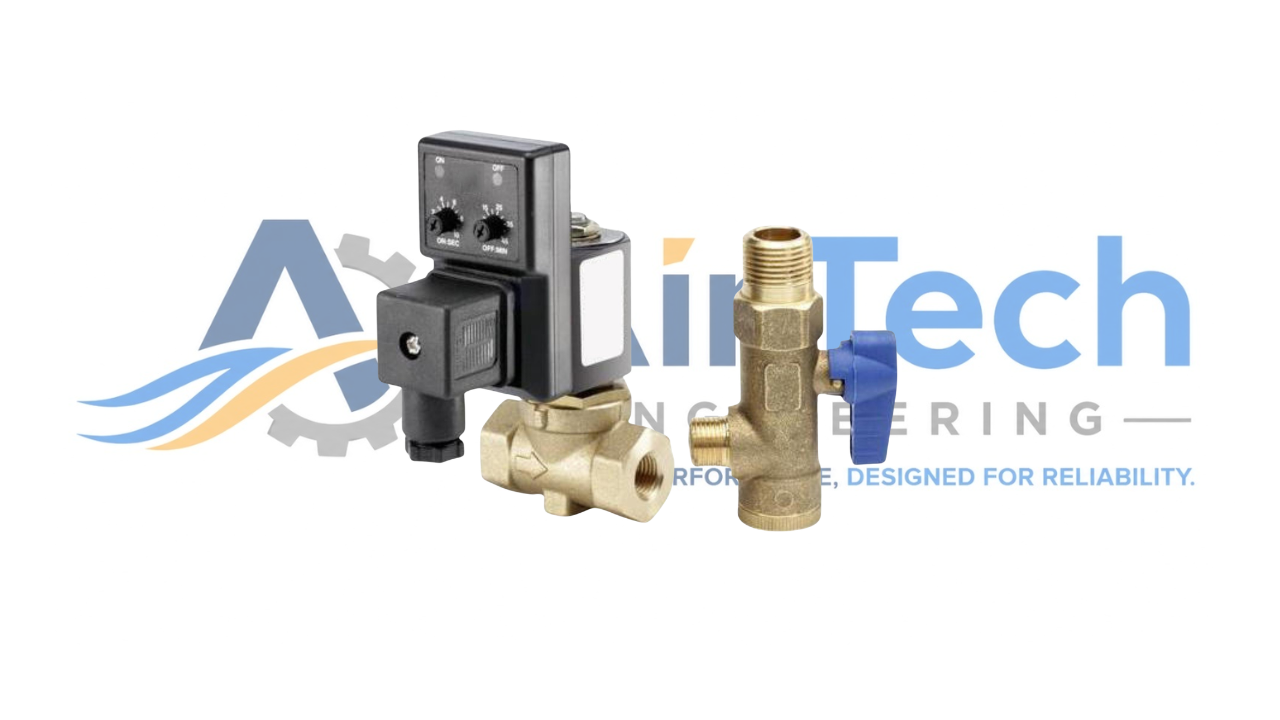
A Timer Type Auto Drain Valve uses a programmable electronic timer to open a solenoid valve at preset intervals — discharging condensate from the connected vessel and then closing again. The open interval and the cycle frequency are both independently adjustable, so you can dial in exactly how long and how often the valve fires based on the condensate load at that point.
The timer unit plugs into a standard 230V supply and connects to the normally-closed solenoid valve via a 2-wire cable. A manual override button allows test draining during commissioning or maintenance. Built-in LED indicators show power and drain status at a glance. Best suited for air receivers, filter housings and aftercoolers where condensate volume is relatively predictable and air loss during the timed open period is acceptable.
Receivers, filter bowls, aftercoolers, small-to-medium compressor systems
Some compressed air is lost with each timed drain. Set the interval conservatively to avoid over-draining
A Float-Operated Auto Drain Valve works entirely without electricity. A stainless-steel or brass float inside the body rises with the condensate level. When it reaches the set high-level point, a mechanical linkage opens the discharge orifice, allowing condensate to drain until the float drops to the low-level position — at which point the valve closes again before any compressed air can escape.
Because the valve responds directly to the actual liquid level, it drains only when condensate is genuinely present — making it inherently zero-air-loss. Suitable for hazardous and ATEX-rated environments where electrical devices cannot be installed, and for remote outdoor installations with no power supply. The simple mechanical design means minimal maintenance: no PCBs, no solenoids, no timers to set — just a periodic inspection and clean of the float chamber.
ATEX zones, remote sites, filter bowls, refrigerated dryer separators, low-maintenance installations
True zero air loss — the valve never opens until condensate is present, and closes before the air pocket reaches the orifice
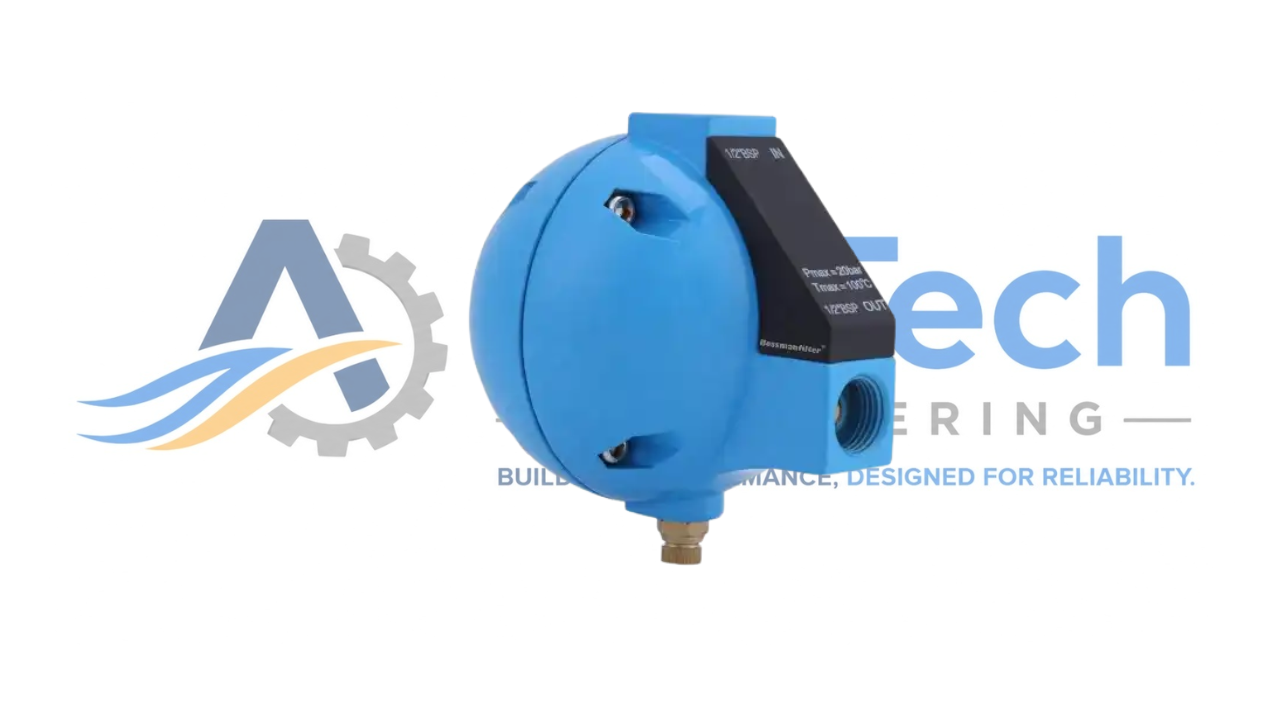
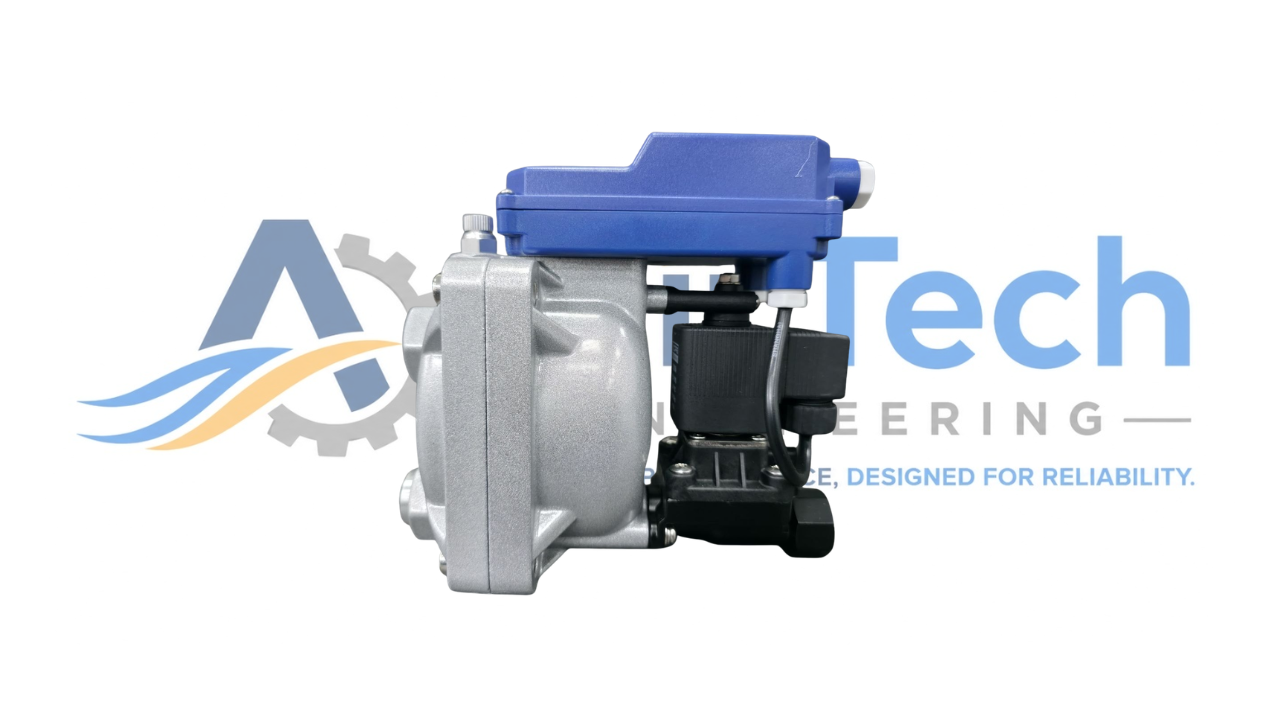
A Demand / Zero-Loss Auto Drain Valve combines an electronic capacitive or optical level sensor with a normally-closed solenoid valve. The sensor continuously monitors the condensate level inside the drain chamber. The solenoid opens only when condensate actually reaches the sensor trigger level — and closes the moment the chamber is empty. No compressed air is discharged at any point.
Unlike a timer drain that fires on a schedule regardless of how much condensate is present, a demand drain responds to actual conditions in real time. During low-humidity periods (e.g. winter), the valve may not open for hours. During high-load humid production shifts, it drains as frequently as needed. Most electronic demand drains also include a blocked-drain alarm output (relay or LED) that signals if the valve has been open for longer than expected — indicating a blocked orifice, failed solenoid or unusually high condensate ingress that requires investigation.
Large receivers, refrigerated dryers, high-flow filter housings, systems with variable humidity and load cycles
Eliminates the 5–15% compressed air waste common with timer-type drains — pays back cost difference in under 6 months on systems above 30 HP
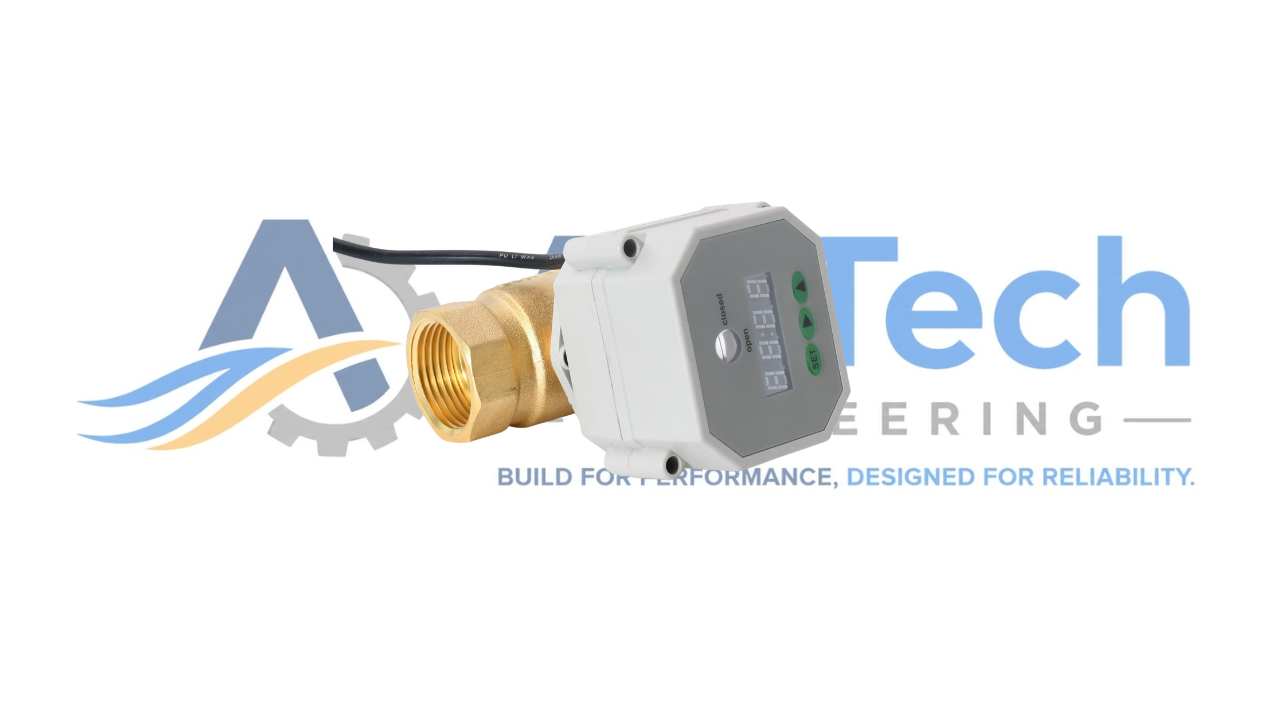
A Motorized Auto Drain Valve uses an electric gearmotor to slowly open and close a ball valve body. Unlike a solenoid valve that snaps open in milliseconds, a motorized valve takes 3–15 seconds to travel from fully closed to fully open. This slow-open characteristic dramatically reduces water hammer and pressure shock in large-bore condensate lines — critical in high-pressure systems above 10 bar and in large receiver tanks where the condensate column is significant.
Motorized drains are built for high condensate volumes where a solenoid valve orifice would not pass the flow fast enough, or would block on scale and sediment. The ball valve bore (½” to 1”) allows large particles, sludge and oil-contaminated condensate to pass without blocking. Typically paired with a timer or demand controller as the signal source — the controller provides the open/close 24V signal, and the motor actuator provides the force. Ideal for large industrial receivers above 500L, multi-stage reciprocating compressor intercoolers, and main header drain points.
Large receivers (>500L), intercoolers, main air headers, high-pressure systems >10 bar, sludge-laden condensate
Slow-open ball valve eliminates water hammer and passes large particles that would block a solenoid orifice
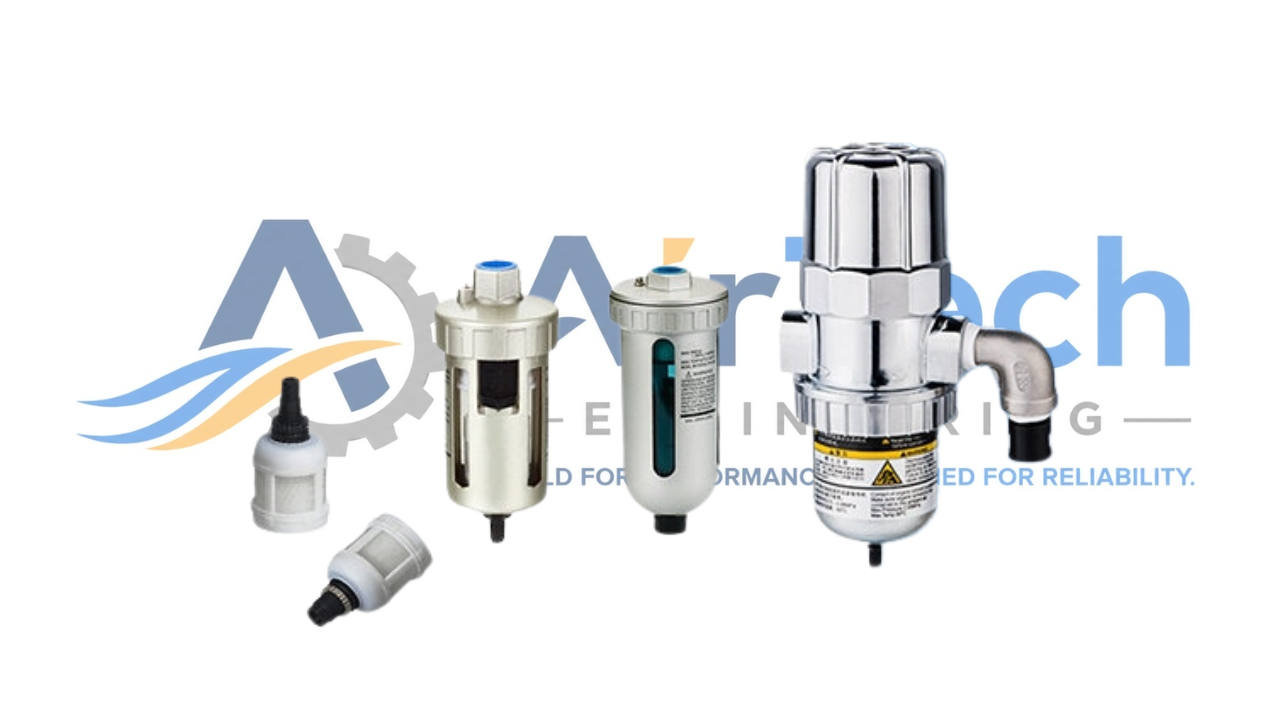
A Pneumatic Auto Drain Valve is actuated by a compressed-air pilot signal rather than electricity. A small pneumatic timer or a float-operated pilot valve supplies a brief burst of pilot air to open the main diaphragm or piston valve, allowing condensate to discharge. When the pilot signal is removed, a return spring closes the valve. Because there is no electrical component in the valve body or actuation circuit, pneumatic drains are intrinsically safe for use in ATEX Zone 1 and Zone 2 hazardous areas — paint booths, solvent handling facilities, gas processing plants and petrochemical sites.
The pilot signal can come from a pneumatic timer (a small air-driven mechanism), a float-type pilot valve mounted on the condensate vessel, or a remote manual pushbutton with pneumatic output. No wiring, no junction boxes, no permits-to-work for electrical installation in hazardous zones. Pneumatic drains are also used in outdoor sub-zero environments where electrical devices may suffer from moisture ingress in cable entries.
ATEX Zone 1/2, paint booths, solvent areas, petrochemical plants, outdoor sub-zero installations, paint spray rooms
Spring-return design fails closed — if pilot air supply is lost, the drain valve closes automatically, preventing uncontrolled air or condensate release
Two of our most-requested electronic auto drain valve models — compact, reliable and easy to retrofit onto any receiver, filter or dryer.
| Type | Power | Air Loss | Condensate Volume | Best Suited For |
|---|---|---|---|---|
| Timer Type | 230V AC / 24V DC | Some loss | Low – Medium | Filter bowls, small receivers, low-cost installations |
| Float-Operated | None (mechanical) | Zero | Low – Medium | ATEX zones, remote outdoor, no-power locations |
| Demand / Zero-Loss | 24V DC / 230V AC | Zero | Medium – High | Large receivers, dryers, variable-load systems, energy-conscious plants |
| Motorized | 24V / 110V / 220V | Minimal | High (sludge/scale) | Large receivers >500L, intercoolers, high-pressure headers >10 bar |
| Pneumatic | Pilot air signal | Zero | Low – Medium | ATEX Zone 1/2, paint booths, gas plants, sub-zero outdoor |